Built for the Work Between
the Load and the Invoice
Chromestein Labs builds operational technology for freight brokerages. We automate the repetitive back-office work surrounding every load — document intake, POD follow-up, paperwork organization, invoice checks, and carrier risk screening — so operations teams stop chasing paperwork and start managing exceptions.
Designed to fit alongside your existing TMS • Zero rip-and-replace required
Operational Clarity Is Not a Cosmetic Upgrade
In freight, the real health of a brokerage is revealed in the quiet hours after wheels stop moving.
When paperwork stalls, cash stalls, carrier trust erodes, and your best operators spend their days typing data instead of building volume.
A brokerage moving 20 loads a day can survive on manual hustle. At 100 or 500 loads a day, manual friction turns into an invisible tax. Days-to-invoice stretch from hours into weeks. Operations coordinators spend 35% of their working hours cross-checking load numbers, renaming attachments, and following up on missing consignee stamps.
Freight brokerage is a high-skill business that demands instincts, carrier relationships, and fast problem-solving. Trapping sharp logistics professionals in clerical document triage is a quiet waste of human talent.
35%
Desk time spent on manual document sorting
3 to 5 Days
Average billing lag caused by missing delivery paperwork
Zero
Need for carriers to download new mobile apps

Our Perspective
When paperwork takes care of itself, your brokerage runs with composure, speed, and real operational leverage.
The Problem We Exist to Remove
We didn't invent these bottlenecks in a brainstorm. They are the lived friction of brokerage operations floors across the country.
Shared Inbox Chaos & Missing PODs
Drivers snap crooked photos of bills of lading against steering wheels in dim warehouse parking lots. Hundreds of unorganized attachments land in shared dispatch inboxes with no load numbers in the subject line, waiting for someone to manually open, rotate, decipher, and rename them.
Rate Confirmation Re-Keying & Typos
Agreed rates and special accessorial notes live inside signed rate confirmations. Coordinators re-type linehaul amounts, stop-off charges, and detention rules into the TMS. A single mistyped digit turns into an invoice dispute weeks later with carrier factoring companies.
Chasing Documentation After the Fact
When a consignee signature is illegible or a lumper receipt is missing, coordinators must track down the carrier. Hours pass. The driver has already left the dock. What could have been resolved in 90 seconds turns into three days of phone tags and delayed billing runs.
Static Carrier Checks & Identity Spoofing
Checking a carrier Certificate of Insurance once during onboarding misses policy lapses and authority revocations that occur weeks later. In an era of rampant double-brokering and email domain spoofing, point-in-time checks leave brokerages exposed.
What We Stand For
Four clear operational principles that dictate how we build, how we test, and what we refuse to do.
Repetitive back-office work should not consume the best people on the team.
Your coordinators are logistics operators with commercial instincts. When paperwork runs itself, your team spends their energy building carrier relationships, protecting customer margins, and solving complex freight disruptions.
Automation should remove noise, not remove judgment.
We reject “black-box” automation that acts without human visibility. Software should process the clean 85% of standard paperwork silently and highlight the 15% with genuine variances for fast, deliberate human review.
Systems should work with the tools a brokerage already uses.
Brokerages do not want another heavy web portal or a disruptive six-month TMS overhaul. Software must fit quietly into existing shared inboxes, TMS dispatches, and accounting handoffs without forcing external carriers or drivers to change habits.
Operational clarity is a genuine competitive advantage.
Brokerages that turn paperwork cleanly get paid faster by shippers, settle carrier balances reliably, win carrier loyalty, and scale load volume without proportionally ballooning back-office headcount.
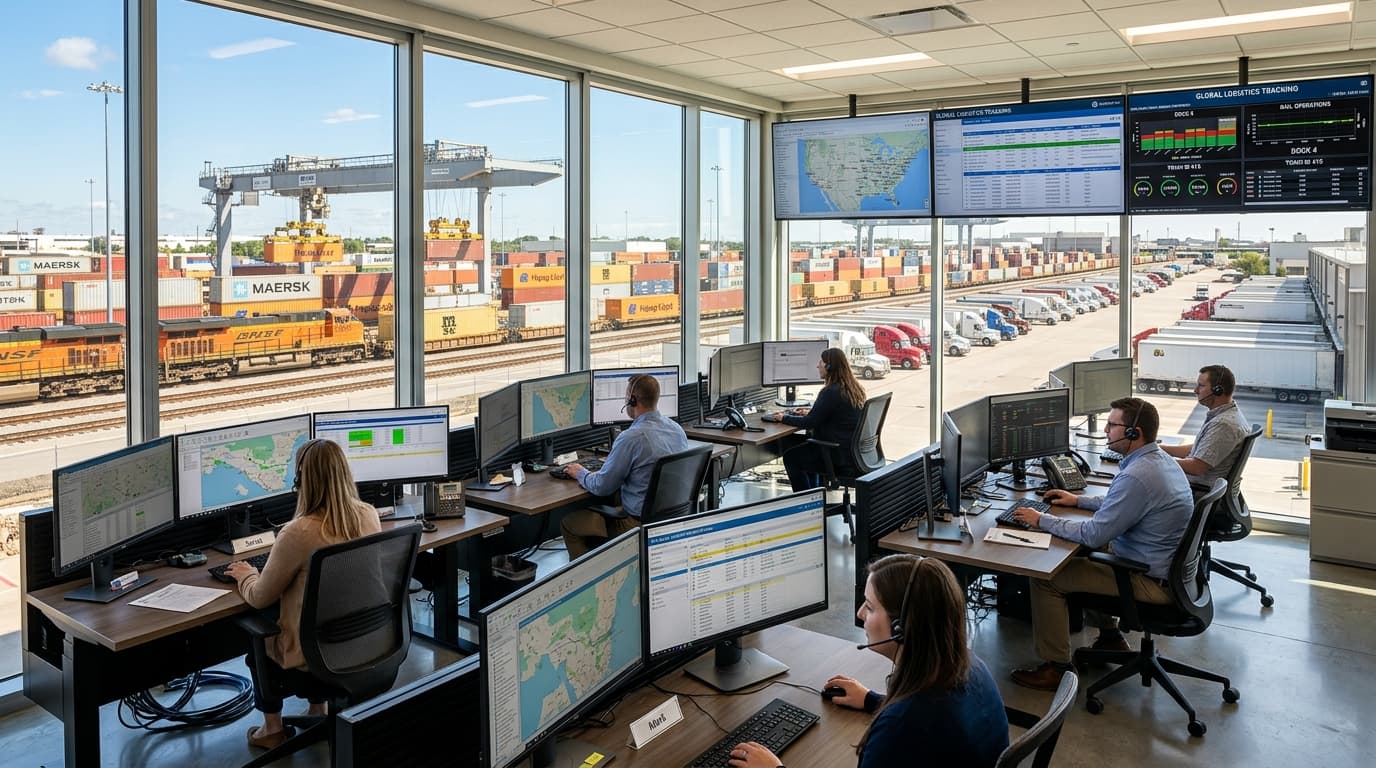
Automation handles the repetitive work. People handle the exceptions.
Software eliminates routine clerical churn. Experienced human operators stay in command of every critical decision.
How We Build
Disciplined, operator-respecting software engineering designed for frictionless adoption.
Start with High-Friction Workflows
We target where brokerages bleed the most operational time: POD intake lag, rate confirmation re-keying, or carrier insurance validation.
Begin with One Workflow, Then Expand
No speculative six-month rollouts. We connect one intake pipeline, prove reliability on live brokerage paperwork, and expand only after success.
Keep Humans in Control of Exceptions
When paperwork matches, it passes silently to your TMS. When a variance occurs, it surfaces with full document highlighting and clear context.
Build from Real Brokerage Reality
Every parsing rule and OCR model is tested against real-world driver smartphone photos, thermal lumper stubs, and messy email chains.
What We Are Building
Chromestein is focused exclusively on the operational work between the load and the invoice.
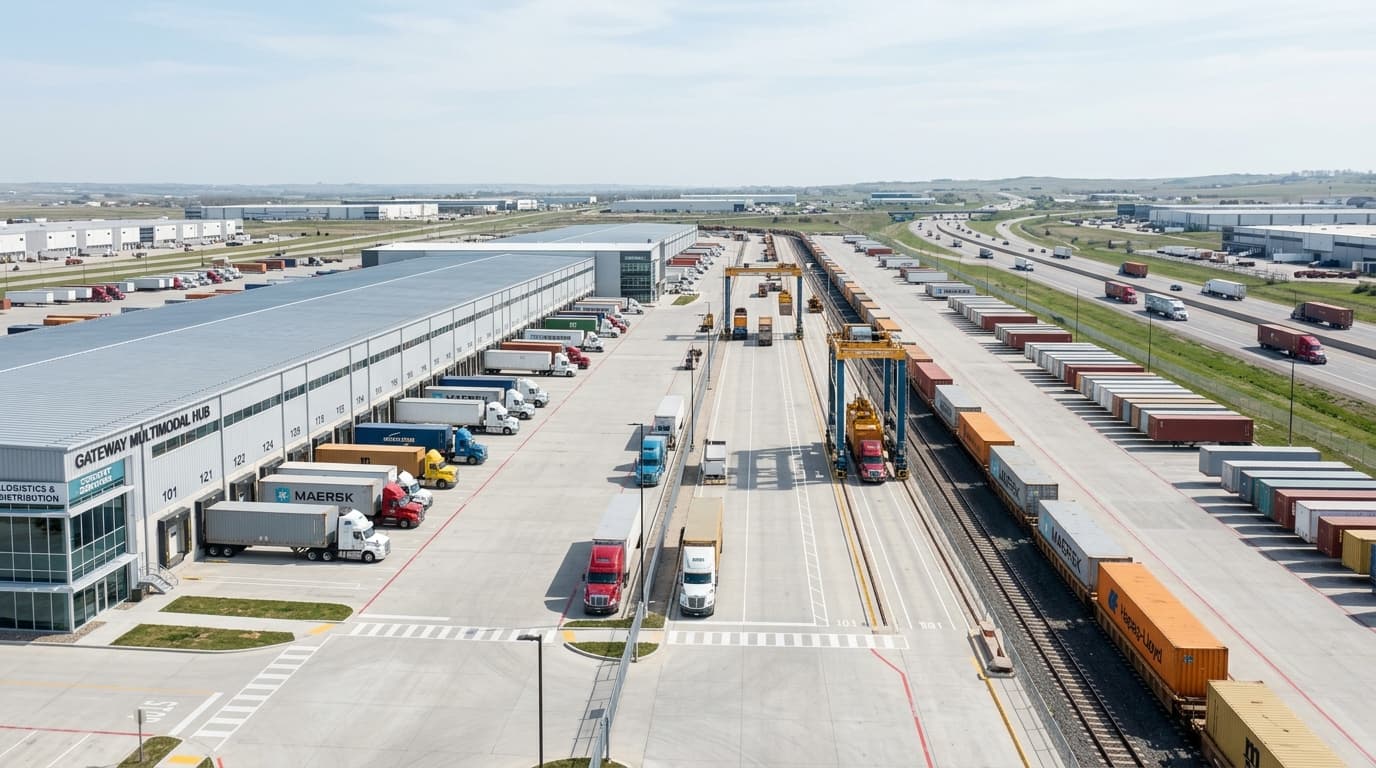
Between The Load and The Invoice
Unifying document intake, validation, and audit-readiness in real time.
Turning unformatted driver phone photos, PDF packets, and lumper receipts into verified, structured system records matched to the correct load number.
Polite, context-aware automated requests back to carriers when stamps are cut off or pages are missing, closing loops while context is fresh.
Pre-dispatch verification across active FMCSA authority, insurance cancellations, contact identity mismatches, and double-brokering risk signals.
Auditing rate confirmation terms against final PODs and carrier settlement invoices before factoring approval, flagging rate variances instantly.
Honest, Grounded Partnership
Chromestein is an early-stage, product-focused technology company. We earn trust through transparency, reliable code, and respectful operations.
We build exclusively for acute operational friction in freight. No speculative AI parlor tricks, no bloated feature sets you never asked for.
We connect directly with your existing inboxes and TMS. Your carriers don't need new accounts, and your coordinators don't need weeks of retraining.
The software structures and validates the paperwork stream; your coordinators retain final discretion on load approvals and rate adjustments.
You work directly with the founders and engineers building Chromestein. Your operational feedback directly drives our product roadmap.
Our Early-Stage Promise
No fake logos. No invented case studies. No unsupported claims. Just solid operational software built alongside serious freight operators.

See How Chromestein Fits Your Brokerage
Schedule a 20-minute operational walkthrough. We will review how Chromestein handles document intake, carrier checks, and load matching alongside your current TMS and shared inboxes.
No obligation • Direct technical review with Chromestein founders